
Healing Together: The Power of Group Therapy
At Recovery Unlimited, we understand that healing doesn’t have to happen alone. Group therapy provides a safe, supportive space where individuals come together to share experiences, gain insight, and build connections. Whether you’re navigating mental health challenges, addiction recovery, or life transitions, our structured group therapy sessions offer compassion, understanding, and professional guidance to help you move forward.
Group Therapy
Healing Together: Building Skills Through Group Therapy
At Recovery Unlimited, group therapy provides a safe and supportive environment where individuals can identify challenges, learn new skills, and practice applying those skills to everyday life.
Our structured groups focus on practical skills that support mental health, recovery, independence, healthy relationships, and successful daily functioning. Participants can learn from clinical guidance and shared experiences while developing skills they can use at home, at work, and throughout the community.
Group therapy provides an opportunity to build confidence, strengthen coping skills, and develop the skills needed to move forward with greater independence and support.

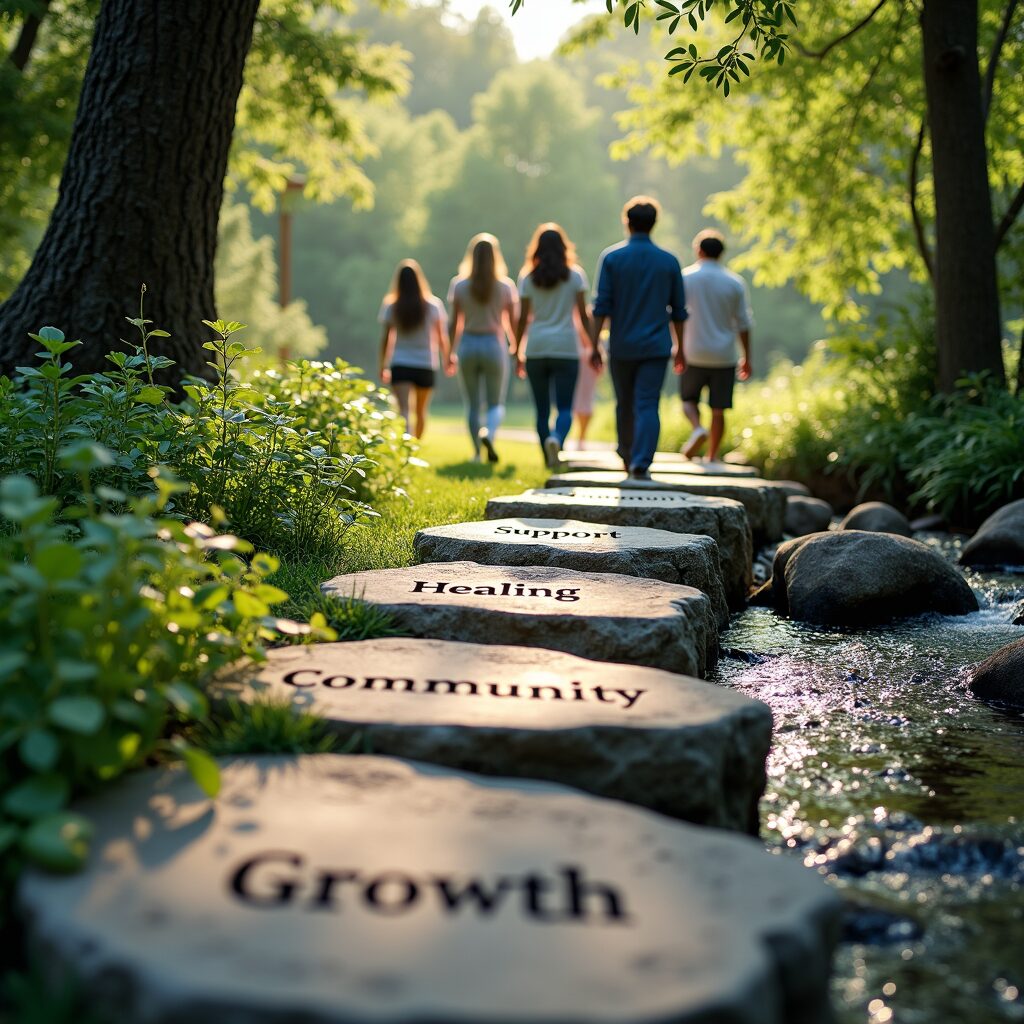
Daily Living, Independence & Recovery Skills
Group therapy helps individuals identify areas of difficulty and develop practical skills for daily living, recovery, and greater independence outside of a structured treatment environment.
Participants may develop skills related to:
- Daily living, self-management, and maintaining healthy routines
- Adjusting to greater independence and functioning outside structured care
- Problem-solving, decision-making, and managing responsibilities
- Health and mental health education that supports informed choices
- Obtaining and maintaining sobriety
- Recognizing triggers and strengthening relapse-prevention skills
- Appropriately accessing community services, resources, and supports
- Developing communication and language skills necessary for independent functioning
By learning and applying these skills in a supportive setting, participants can build greater confidence and improve their ability to manage everyday responsibilities and recovery needs.
Social, Communication & Coping Skills
Group therapy provides a structured environment for practicing the social, communication, and coping skills needed to manage challenges, strengthen relationships, and remain connected to supportive people and resources.
Participants can work on skills such as:
- Coping with stress, anxiety, emotional challenges, and difficult situations
- Managing crisis, conflict, and interpersonal disagreements
- Expressing needs clearly and communicating appropriately with others
- Developing healthy boundaries and stronger relationship skills
- Building and maintaining personal support systems
- Reducing tendencies toward isolation and withdrawal
- Improving social and occupational functioning
- Recognizing when additional support or professional assistance is needed
Practicing these skills within the group allows participants to receive feedback, learn from others, and strengthen skills before applying them in daily life.
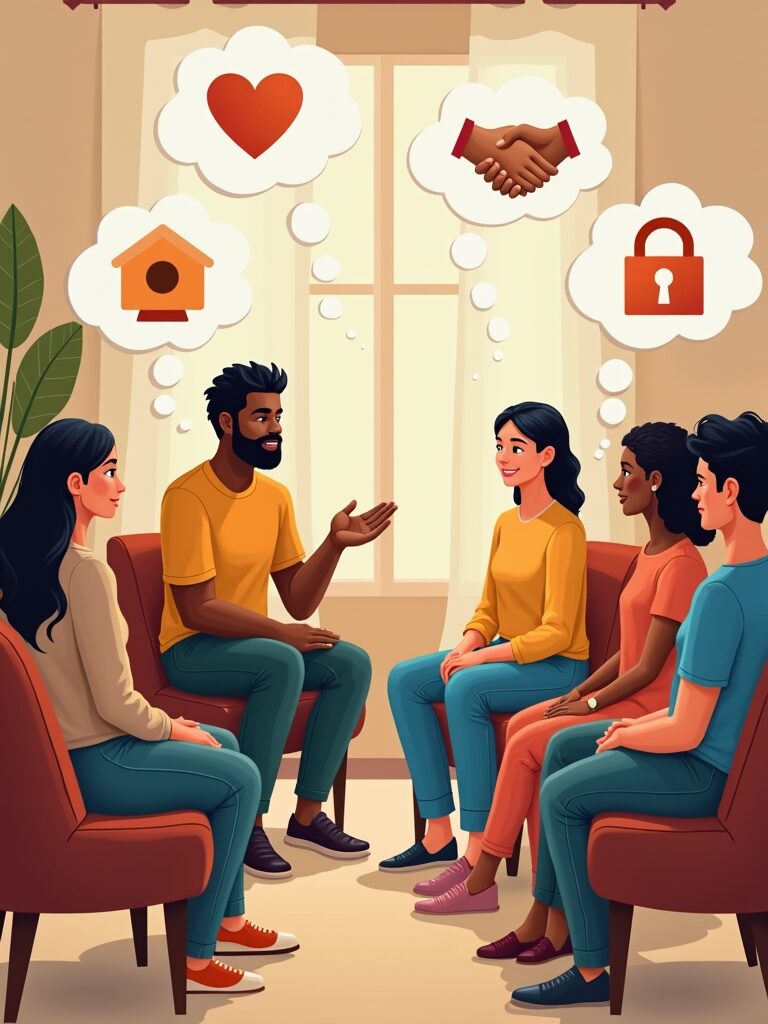

Learning, Practicing & Applying New Skills
Group therapy is designed to do more than identify problems. Sessions give participants opportunities to learn new skills, practice those skills in a supportive setting, and begin applying them to real-life situations.
With guidance, education, peer support, and constructive feedback, participants can strengthen the skills needed to support mental health, recovery, relationships, community involvement, and independent functioning.
Identify Needs
Recognize challenges, triggers, barriers, and situations where new or stronger skills may be needed.
Learn New Skills
Gain practical coping, communication, recovery, daily living, and problem-solving skills.
Practice Skills
Use the group environment to practice new skills and receive support and constructive feedback.
Apply Skills
Carry new skills into everyday life and continue strengthening them through real-world experience.
Common Questions About Group Therapy
Find answers to some of the most frequently asked questions about Group therapy. If you have additional questions or concerns, our team is here to help.
Who can benefit from group therapy?
Group therapy is beneficial for individuals experiencing stress, anxiety, depression, addiction recovery, trauma, grief, and relationship difficulties. It provides a space where participants can share experiences and receive support from both peers and professionals. Whether you are navigating personal struggles or looking to build stronger coping skills, group therapy offers guidance and connection.
What if I don't feel comfortable sharing?
It’s completely normal to feel hesitant about speaking in a group setting. There is no pressure to share until you feel ready, and simply listening can still be a valuable part of the experience. Many people find that as they get more comfortable, they naturally become more open. Therapists facilitate sessions to ensure a safe and respectful space for all participants.
How many people are in a therapy group?
Most therapy groups consist of six to twelve participants, allowing for meaningful discussions while maintaining a supportive and personal atmosphere. Smaller groups encourage deeper connections, while slightly larger groups provide a range of perspectives and shared experiences.
Will what I share in group therapy be confidential?
Confidentiality is a priority in all group therapy sessions. While therapists emphasize the importance of privacy, it is also a shared responsibility among participants. Everyone agrees to uphold confidentiality, creating a safe and trusting environment where members can speak openly.
Is group therapy covered by insurance?
Many insurance plans provide coverage for group therapy, but policies vary. It’s best to check with your insurance provider to confirm your benefits. Our team is happy to assist you in understanding coverage options and exploring payment plans if needed.